

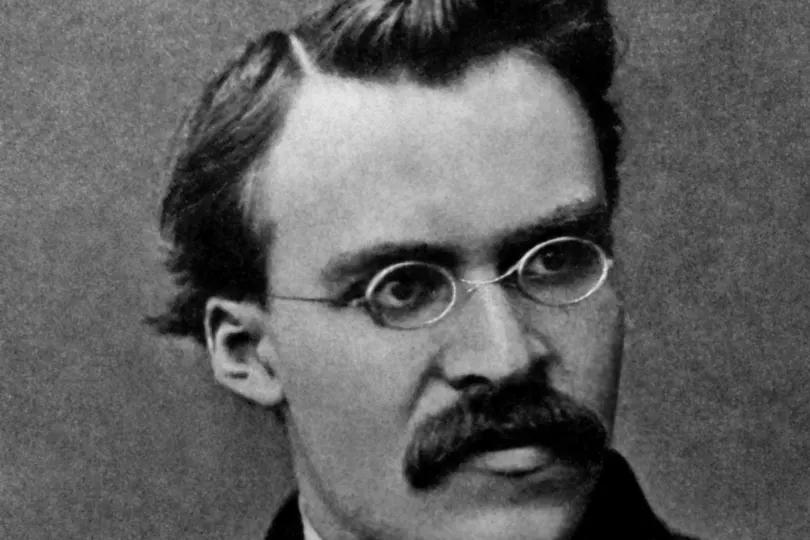
End of History in Nietzsche's Philosophy between Reasonable, Unreasonable

End of History in Nietzsche's Philosophy between Reasonable, Unreasonable
مشاركة هذا الموضوع :

This research paper presents a critical inductive vision of Nietzsche's reading of the philosophy of history and understanding its mysterious existential questions,

 which represented a decisive intellectual turning point in the history of Western thought as a whole, as he contributed through his genealogical reading of history, to the transition from the stage of modernity to the stage of post-modernity, then to transcend the Western philosophical conception, aiming at build the history of humanity, and not to destroy it by creating new concepts, which serve human civilization in the stage of post-modernity.

Nietzsche sought to make his philosophy speak about his era, and its weakness and frailty. This explains his why he is averse to it, rejects it, and considers it as a kind of intellectual decadence, and weakness that must be changed and overcome, by finding new concepts that serve humanity. However, this philosophy has led him into a series of intellectual and ideological pitfalls, which have made it the subject of wide-ranging intellectual debate. So, how did Nietzsche understand history, and on what foundations did he build his genealogy in the philosophy of history, and what are the most important philosophical pitfalls that his philosophy fell into?

التعليقات


مجلة «أمم للدراسات الإنسانية والاجتماعية»، مجلة علمية فصلية مُحكّمة، تصدر عن «مركز براثا للدراسات والبحوث» في بيروت/لبنان.
بيان الوصول المفتوح
هذه مجلة ذات وصول مفتوح، مما يعني أن جميع محتوياتها متاحة مجاناً دون رسوم على المستخدم أو مؤسسته. يُسمح للمستخدمين بقراءة النصوص الكاملة للمقالات، أو تنزيلها، أو نسخها، أو توزيعها، أو طباعتها، أو البحث فيها، أو وضع روابط تؤدي إليها، أو استخدامها لأي غرض قانوني آخر، دون طلب إذن مسبق من الناشر أو المؤلف. يتوافق هذا مع تعريف مبادرة بودابست للوصول المفتوح (BOAI).
جميع المقالات المنشورة في هذه المجلة مرخصة بموجب رخصة المشاع الإبداعي نِسب المُصنَّف 4.0 دولي (CC BY 4.0). بموجب هذه الرخصة، يحتفظ المؤلفون بحقوق النشر الخاصة بمحتواهم، لكنهم يسمحون لأي شخص بتنزيل المحتوى، وإعادة استخدامه، وإعادة طباعته، وتعديله، وتوزيعه، و/أو نسخه طالما تم الاستشهاد بالمؤلفين الأصليين والمصدر.
messages.copyright © 2023, امم للدراسات الانسانية والاجتماعية